

What happens to your property insurance when your building sits empty for weeks or months? Many owners assume their standard cover continues as usual — until they learn the hard way that most insurers restrict or void claims once a home is classified as unoccupied.
Vacant buildings face greater risks and often fall through the cracks of typical insurance policies. That’s where unoccupied building insurance comes in — a tailored safety net designed to protect your property even when no one’s living inside.
Understanding What Insurance for Unoccupied Building Really Means
Unoccupied building insurance, sometimes called unoccupied home insurance, is a specific type of property insurance that protects homes or commercial spaces left vacant for an extended period. It fills the gap when your standard home and contents insurance no longer applies because the property is unoccupied.
This form of cover ensures your asset remains protected against fire, theft, vandalism, water leaks, or accidental damage — even when it’s temporarily empty. While regular policies assume daily occupancy, insurance for unoccupied properties recognises the unique exposure vacant buildings face.
It’s particularly valuable for property owners who have moved out, are renovating, or between tenants. Without it, you might find your insurer declining claims simply because the home was left unattended longer than their policy allows.
Understanding Risk Exposure in Vacant Properties
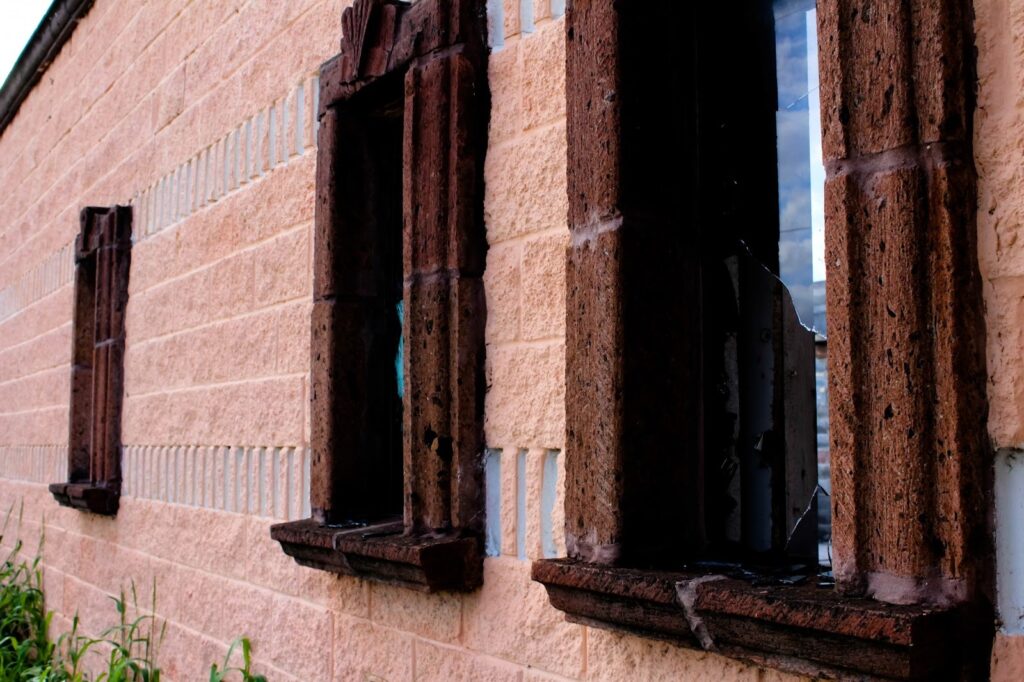
When a home is left vacant, its risks multiply. Small problems go unnoticed. A leaking pipe can flood rooms before anyone discovers it. Burglars may target the property, assuming no one’s watching. Even minor electrical faults can turn into full-scale fires.
Vacant properties are also prime targets for vandalism or illegal occupation. Windows are broken, walls are defaced, or squatters move in. Weather damage can go unchecked, particularly during storms or heatwaves. The longer a home is empty, the more expensive repairs become.
Most insurers see this elevated exposure and apply an unoccupied excess to reflect the higher likelihood of claims. For example, an unoccupied excess may apply if you’re claiming for theft in an unattended house. Others might refuse to cover certain events altogether unless you take out a specialised unoccupied property insurance policy. That’s why it’s worth speaking with an experienced broker before assuming you’re covered.
When a Home Is Considered “Unoccupied”
Every insurer defines “unoccupied” differently, but most agree that a property is classed as such once it’s been empty for around 30 to 60 days. Even if furniture remains inside, insurers may still treat it as vacant if no one’s living there regularly or maintaining it.
So, when your home is considered unoccupied, what happens? Your home insurance policy might automatically reduce cover or exclude certain events like theft, water damage, or malicious acts. Some insurance providers may ask you to pay an unoccupied excess or modify the period of insurance to reflect the vacant status.
It is vital to consider the product disclosure statement (PDS) of your insurer and review your target market determination (TMD) to ensure the product still suits your circumstances. If not, you’ll need a tailored insurance for unoccupied homes policy to maintain full protection.
A qualified insurance broker can help you clarify your insurer’s definition and recommend suitable coverage before your property is unoccupied for too long.
What Unoccupied House Insurance Covers

A good insurance package for unoccupied properties provides broad protection while recognising the increased risks. This can include:
1. Property damage protection
Covers losses caused by fire, storm, flood, vandalism, or accidental damage — whether you’re away for weeks or months. Some policies even extend to cover your property while you’re away, ensuring continuity of protection.
2. Theft and vandalism
Even with security measures in place, vacant homes attract unwanted attention. Unoccupied cover can include theft of fixtures, fittings, or damage from break-ins.
3. Legal liability
If someone is injured on your empty property, legal liability coverage helps protect you from costly claims.
4. Optional extras
Depending on the provider, you may add extras such as 24-hour security monitoring, temporary accommodation, or protection against unoccupied commercial building risks.
Before buying this insurance, always consider the relevant product disclosure statement to check limits, exclusions, and when an additional unoccupied excess might apply. The period of insurance may vary depending on whether it’s a holiday home, renovation site, or long-term vacant premises.
Who Needs Unoccupied Building Insurance?
You might think this cover only applies to landlords — but that’s far from the truth. Unoccupied home insurance is essential in many scenarios.
Property owners between tenants often have gaps of several months while finding new renters or completing maintenance. During that time, your landlord insurance may not be valid without special unoccupied cover.
If you’ve inherited a house under probate or moved elsewhere for work, that empty property is equally exposed. Similarly, homes undergoing renovation, relocation, or on sale should also be insured appropriately.
Even if your home may also serve as a holiday home, you need to ensure that your property insurance stays active even when it’s unoccupied. Policies designed for continuous occupancy won’t necessarily respond to claims made months later.
A good insurance broker can guide you through insurance products available for different use cases — from unoccupied commercial buildings to temporary house insurance for vacant homes.
Common Exclusions and Limitations to Know
Every insurer manages risk differently, but most include key disclosures about what’s not covered when a home is unoccupied. Knowing these up front helps you avoid disputes later.
Neglect or lack of maintenance is a common exclusion. If you fail to maintain plumbing or leave security issues unresolved, your claim may be denied. The same applies to ongoing construction that isn’t disclosed. Some policies also exclude damage caused by gradual deterioration, insects, or mould.
An unoccupied excess would usually apply to certain claims, meaning you’ll need to pay a higher portion out of pocket. In addition, if you forget to tell your insurer that your home is empty, they might void your entire cover due to non-disclosure.
Before you make a home insurance claim, ensure you’ve reviewed your product disclosure statement and confirmed compliance with your insurer’s conditions. Small details — like setting up regular inspections or keeping utilities active — can make a big difference when you need to make a claim.
Why Choose an Insurance Broker Like HMD Insurance

Navigating unoccupied home insurance can be complex. Each insurer has its own limits, exclusions, and timeframes. That’s why partnering with a trusted insurance broker like HMD Insurance helps simplify the process.
HMD’s team of insurance professionals understands the fine print across different insurance providers and can find the right cover at the right price. They review your home insurance policy, explain when your home is considered unoccupied, and recommend a tailored insurance package that meets your needs.
Beyond placement, a broker helps if you need to make a home insurance claim, ensuring all documentation meets your insurer’s disclosure standards. You’ll also gain access to expert advice on general insurance, from commercial cover to home and contents insurance, so every asset stays protected.
At HMD Insurance, it’s about more than ticking boxes — it’s about securing genuine peace of mind knowing your investment is protected, even when it’s unoccupied.
Keep Your Home Occupied Today!
Every building tells a story, but when it sits empty, that story can take a costly turn. Whether it’s a short vacancy between tenants, a renovation, or a long-term relocation, your empty property still faces daily risks. Pipes burst. Thieves notice. Small issues escalate before you even know they’ve begun. That’s why having the right unoccupied property insurance isn’t just smart—it’s how you protect the value you’ve worked hard to build.
At HMD Insurance, we help you make sense of the fine print, compare insurers, and secure a tailored insurance solution that keeps your asset covered — even when life takes you elsewhere. Before your home is unoccupied for too long, talk to our experienced insurance brokers. We’ll review your current policy, explain where your cover stands, and help you stay protected with confidence and clarity.